
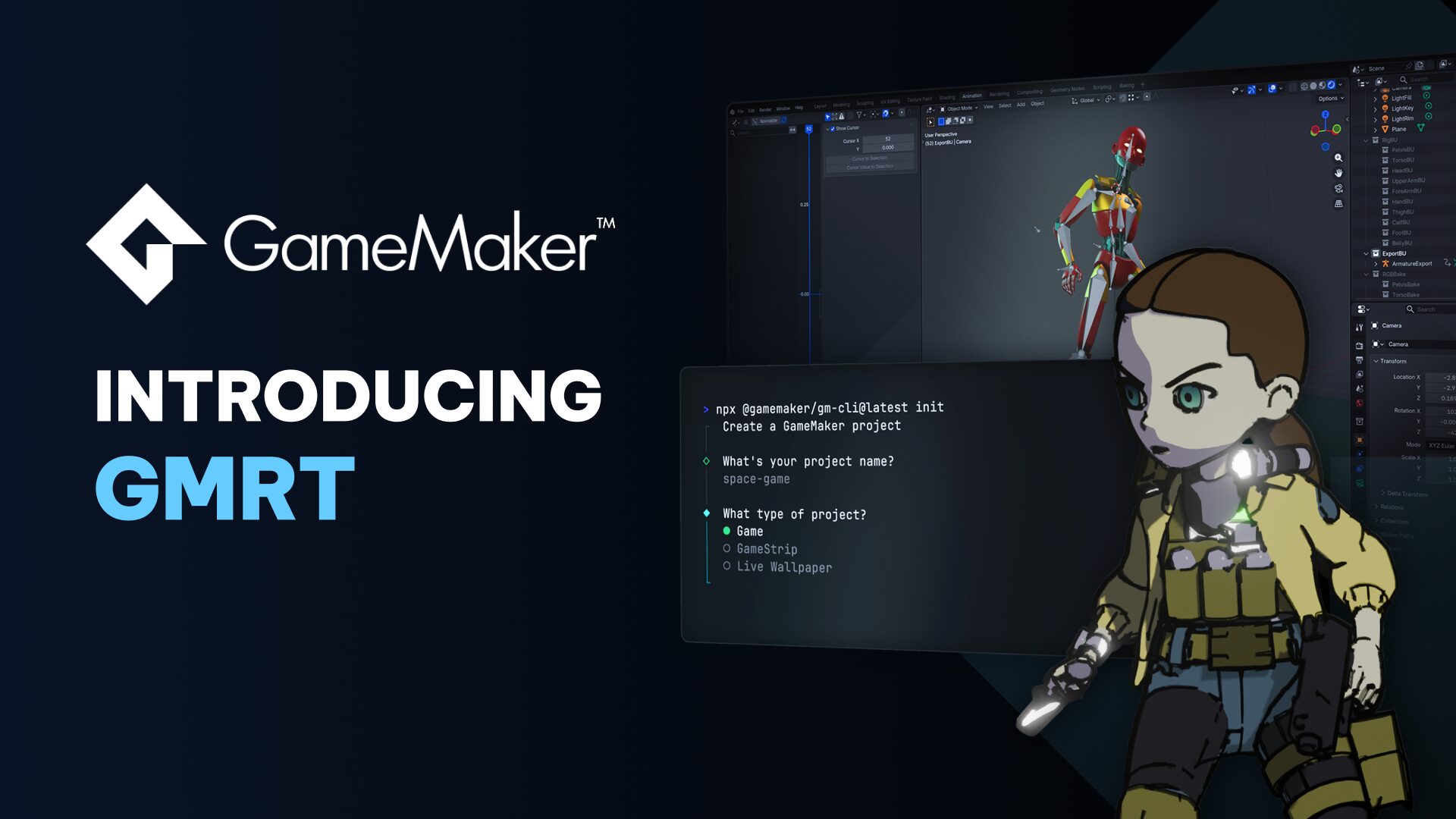
GMRT lands on desktop today, featuring CLI tooling, Claude-powered AI workflows, and improved 3D handling, with source-available access and JavaScript, TypeScript, and C# support coming soon
Dundee, Scotland – 30 April 2026: GameMaker, the multimillion-downloaded 2D game engine, has always been the fastest way for developers and studios to turn ideas into reality. With the launch of GMRT, the new GameMaker Runtime, it can now meet the demands of larger teams, broader language backgrounds, and studios that need more than a closed IDE can offer.
Alongside GMRT, GameMaker is launching GM-CLI, a new command line toolchain that works with both the new and existing runtimes. It means developers can work in whatever environment they prefer, without touching the IDE. Project files are now plain text, easy to edit, and track properly in Git. Studios with automated build processes can plug GameMaker into existing systems and automate what previously required manual work.
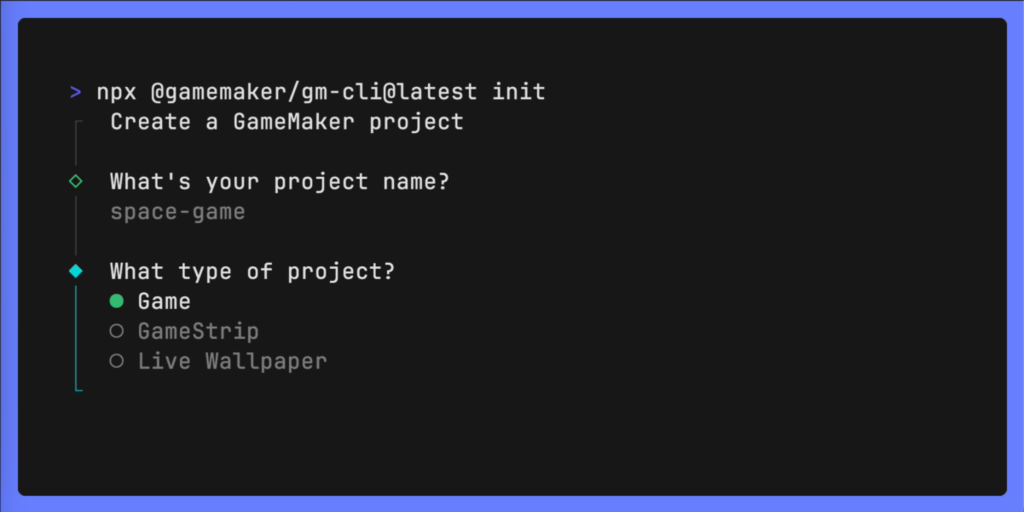
The release also brings a language roadmap – with JavaScript, TypeScript, and C# to be added before the year is out – source-available access across desktop, mobile, and web coming in Q2, as well as Claude Code, Anthropic’s AI developer agent, making GameMaker one of the first game engines with AI-assisted workflows built in.
“GameMaker has always been about making game development as accessible as possible, whether you’re building your first game or shipping your tenth,” said Russell Kay, Head of GameMaker. “With GMRT, we’re making sure that’s true for bigger teams, more complex projects, and developers who’ve never written a line of GML. The engine grows with you now.”
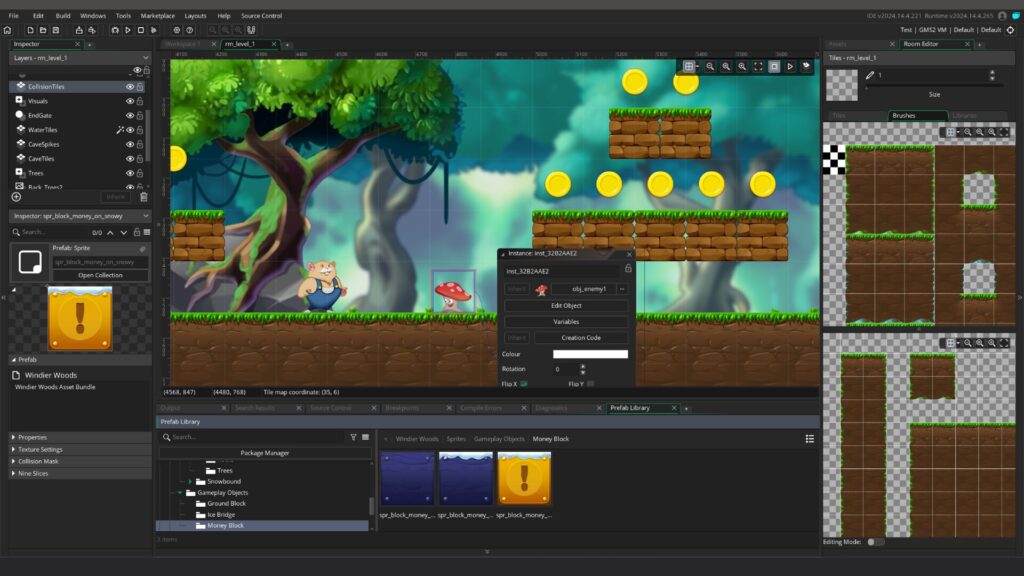
AI in the toolchain
With Claude Code in the CLI, developers can now query project structures, hunt down bugs, and manage build configurations thruogh natural language prompts in the terminal. Routine tasks that once meant navigating menus can now be handled in seconds.
Source-available
The GMRT source code will become publicly available for desktop, mobile, and web in Q2, giving developers direct access to how the runtime works. That means the ability to make your own fixes, build extensions with far greater control, and contribute back to the platform. Enterprise users will also get access to console platform source code.
More languages
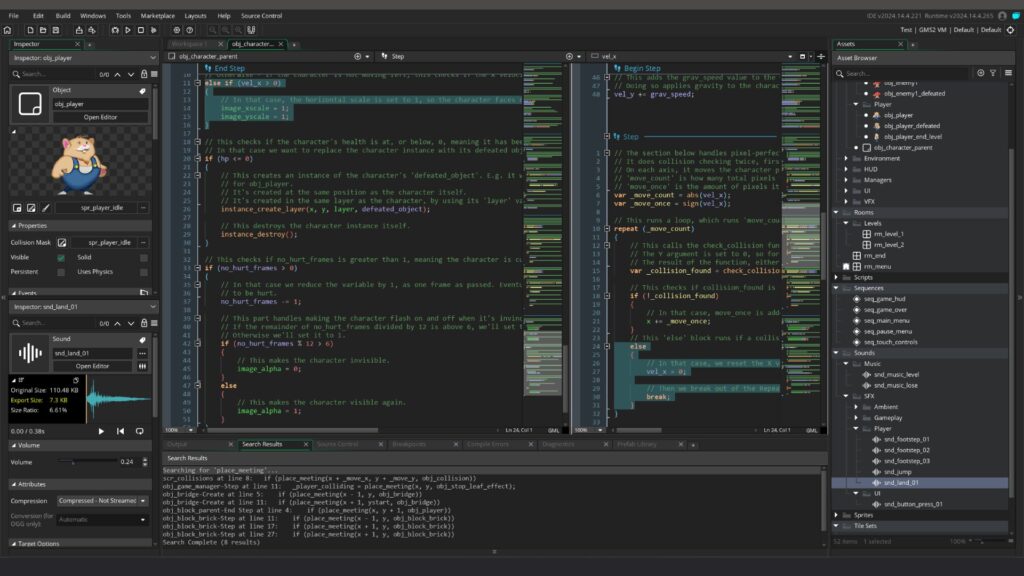
GameMaker’s scripting language, GML, isn’t going anywhere, but GMRT opens the door to JavaScript, TypeScript, and C#, widening the pool of developers who can contribute without retraining.
3D, reimagined
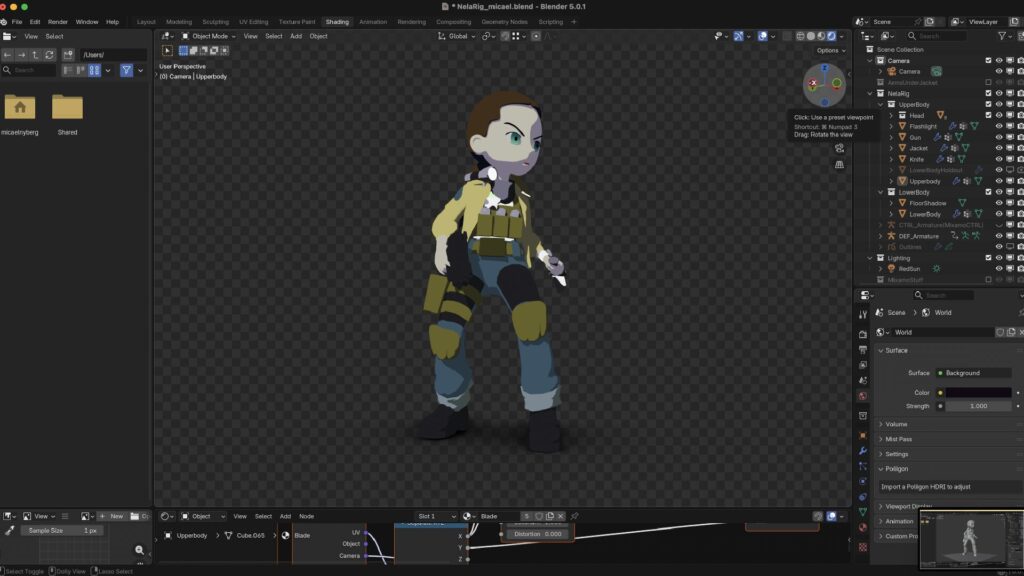
3D has always been present in GameMaker, but GMRT takes it somewhere new. Developers can now load 3D models directly from Blender via glTF, manage complex environments through a proper scene graph, and work with 3D mathematics that actually does what you need it to. It is not a full 3D engine, but for studios building stylized or hybrid projects, it no longer feels like a workaround.
For release dates, the full language roadmap, and everything else coming to GameMaker in 2026, read the Spring update here.
About GameMaker
GameMaker is the fastest and friendliest cross-platform game engine. GameMaker allows artists and creators to make games within a single code base and publish natively across multiple platforms, including Windows Desktop, macOS, Ubuntu, Android, iOS, Web, PlayStation, Xbox, and Nintendo Switch. GameMaker has been downloaded more than 12 million times. The team behind it is based in Dundee, Scotland. GameMaker was acquired by Opera in January 2021. https://gamemaker.io
About Opera
Opera is a user-centric and innovative software company focused on enabling the best possible internet browsing experience across devices. Hundreds of millions of people use Opera browsers for their unique features on mobile phones and desktop computers. Founded in 1995 and headquartered in Oslo, Norway, Opera is publicly listed on the Nasdaq stock exchange under the ticker symbol OPRA. Download Opera browsers and other Opera products at opera.com. Learn more at investor.opera.com.